Ready for a deep dive into polyvagal theory, autonomic-based trauma recovery, and integrative neurology?
Polyvagal Acupuncture® and Polyvagal Massage™ emerged to fill a critical gap in both Eastern and Western medicine: focusing on the nervous system and autonomic care. While Classical Chinese Medicine has long recognized systemic balance, Western medicine provides few practical tools for autonomic regulation. Developed through my doctoral research and 25 years of trauma-informed practice, this model expands TCM beyond tradition into a trauma-aware, bottom-up approach for treating neurogenic disease.
We bridge the East-West gap by using TCM to balance the nervous system, integrating the advances in neuroscience—especially neuroplasticity. This approach empowers TCM practitioners to restore autonomic balance, a key aspect missing from both Eastern and Western medicine.
In future content, we will explore how vagal tone, fascia, reflexes, classical principles, and rhythmic cycles contribute to systemic balance. For now, explore the blog, where early insights set the stage for what’s ahead. Our public posts cover polyvagal theory, reflex integration, and autonomic basics.
Following recent plagiarism from a local medi-spa, we are migrating to a more secure environment, offering access tiers for our group classes. Graphics are used with express permission, citations, or appropriate licensing. Core intellectual property (IP) and curriculum remain protected under copyright law through the Library of Congress. Unauthorized use, reproduction, or distribution is strictly prohibited.
Coming soon!
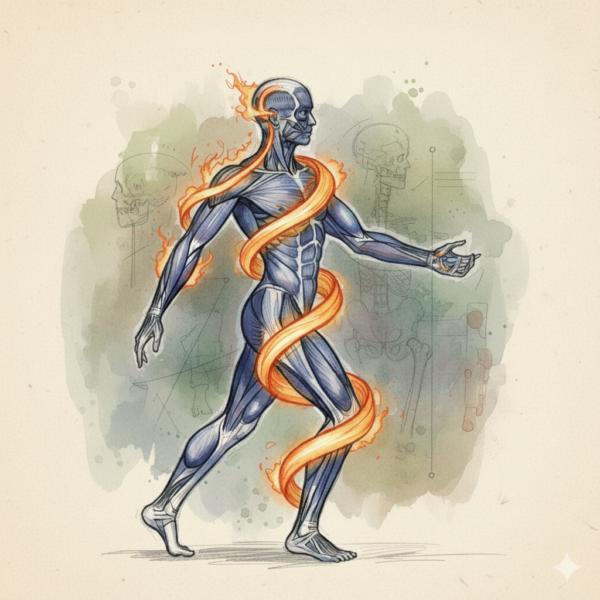
Bridge the Sinews and the Extraordinary Vessels: Mastering the Spiral Line of the Chong Mai
The Neurological aspects of the 8 Extras: Painless Needle Technique to Facilitate Neuroplasticity
The Neurology of
Fire and Water: Translating The HPA Axis and the Fight-Flight-Freeze Response into TCM
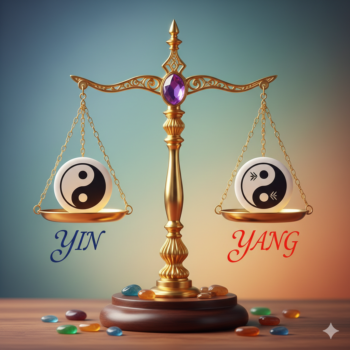
What does it mean clinically to harmonize the Ying and the Wei?