Autonomic Dysregulation for TCM and Soma Therapists

gemini generated image mmnvy1mmnvy1mmnv

Mindfulness, Autonomic Regulation, and Primitive Reflexes: A Neuro-Somatic Framework

© 2025 J. Moffitt. Registered U.S. Copyright Office. Polyvagal Acupuncture®.  My first introduction to deep somatic work was over 30 years ago with a clinician who had abandoned her psychology license to integrate hands-on therapies. With three PhDs, she realized that dissociated trauma survivors were cognitively processing their pain without ever truly feeling it in their Read More

reflex freeze response

The Freeze Responses: Startle and FPR Intro

Restoring the Precursors to Autonomic Balance The practitioner’s role is to facilitate the restoration of autonomic balance and remove neurological interference caused by a nervous system in a high state of arousal.  Once parasympathetic tone is restored, the necessary precursors for neuroplasticity are in place. What is beautiful is that as TCM and somatic therapists

gemini generated image hhfj4xhhfj4xhhfj

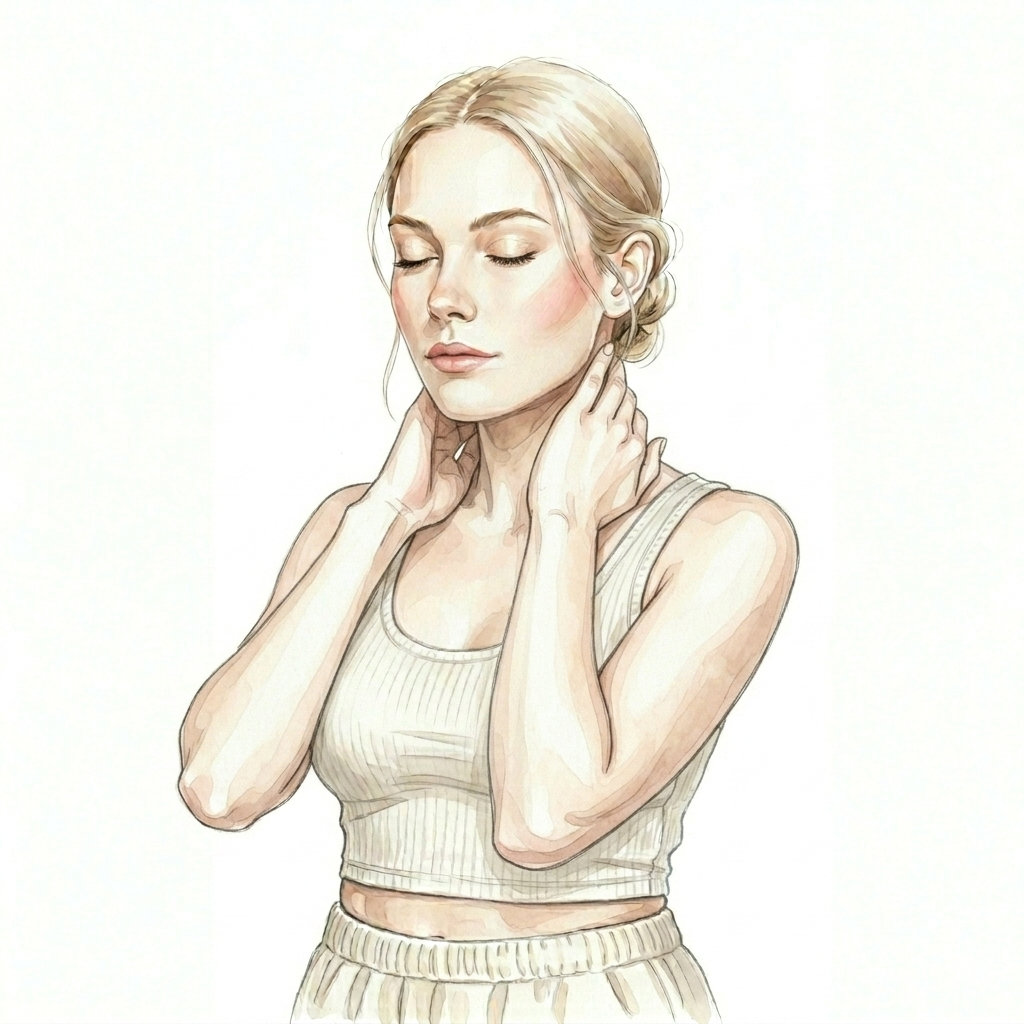
The Freeze Responses Part 2: Core Tendon Guard – The Full Body STOP – Intro

© 2026 J. Moffitt. Registered U.S. Copyright Office. Polyvagal Acupuncture®. Core Tendon Guard Reflex (CTG) The idea of Tendon Guard Reflexes ties into how the body reflexively protects its musculoskeletal system during stress or trauma. The Core Tendon Guard (CTG) is often described as a full-body freeze response,  but we can also conceptualize distinct regional

gemini generated image w0fbs5w0fbs5w0fb

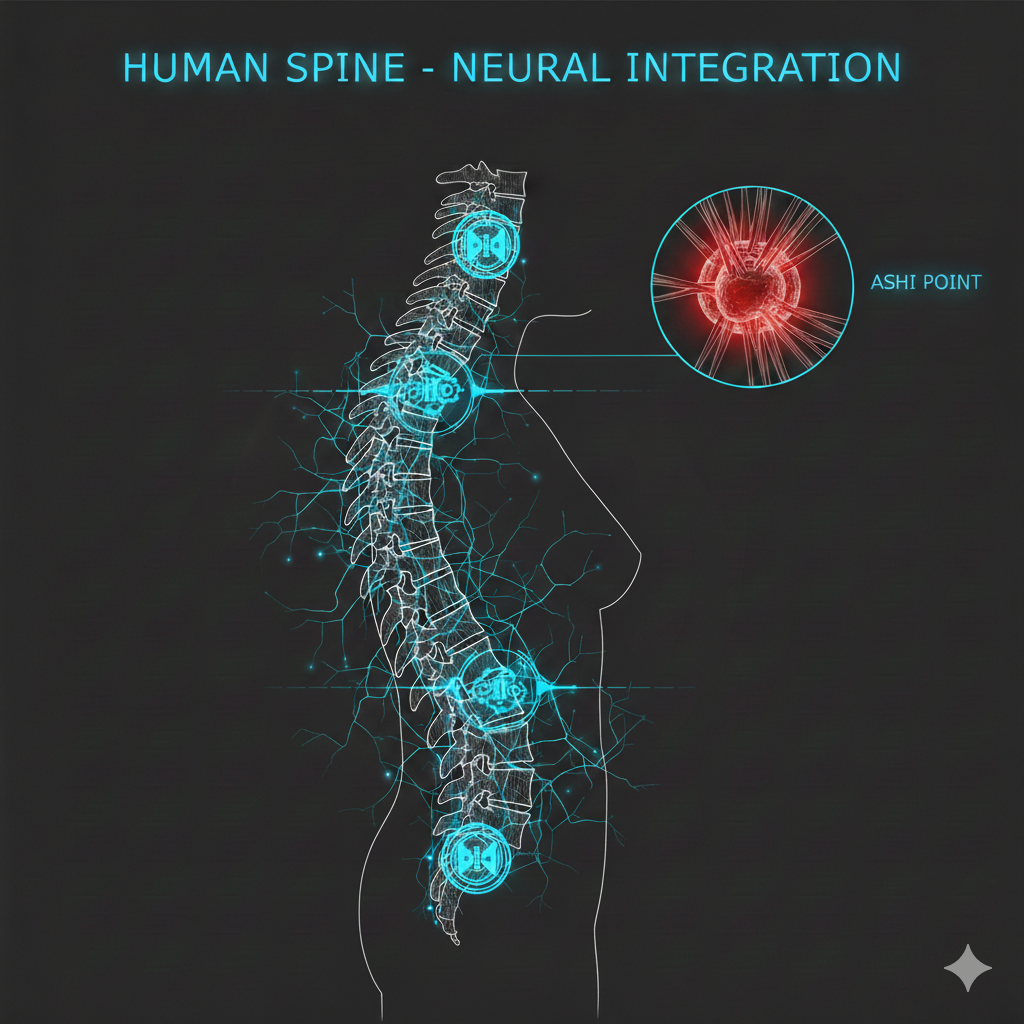
The Neuro-Somatic Synthesis of Ashi Points and Biomechanical Hinge Zones

© 2026 J. Moffitt. Registered U.S. Copyright Office. Polyvagal Acupuncture®. Etymology, Historical Context, and Core Characteristics Ashi points (阿是穴, ā shì xué) are non-fixed, temporary acupuncture points characterized by localized tenderness or sensitivity upon pressure (Deadman et al., 2007; Sun, 652 CE). Unlike the 361 classical points located along established meridians, most Ashi points lack

gemini generated image gdmlh9gdmlh9gdml

The Neurological Architecture of Parenthood: Trauma, Reflexes and Autonomic Inheritance

A Clinical Framework for Polyvagal Acupuncture® (PVA) and Polyvagal Massage ™ Introduction: Defining the Architecture of Trauma Trauma is an internal physiological state that overwhelms the system. When a stressor exceeds the buffering capacity of the Autonomic Nervous System (ANS), the brain bypasses verbal processing and hard-codes survival responses into motor reflexes and connective tissues.

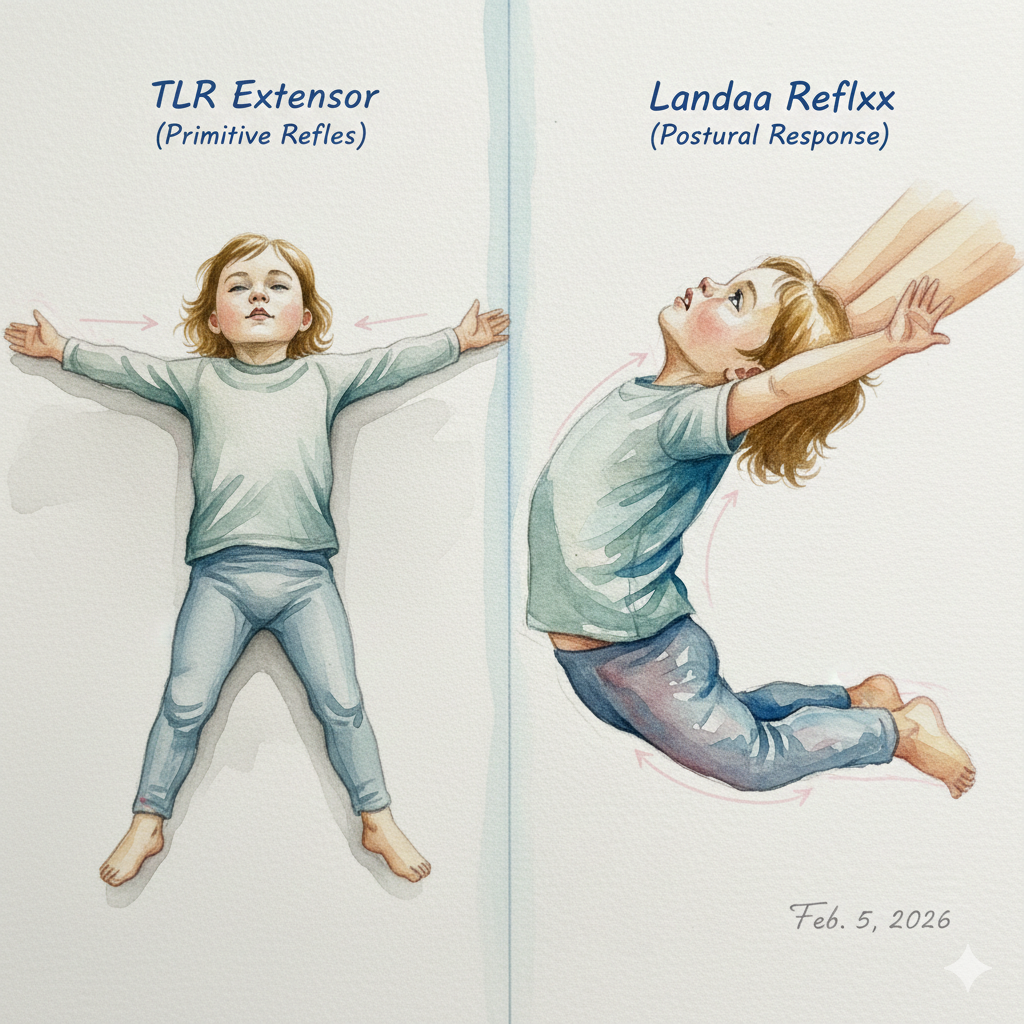
Primitive Reflexes in Clinical Practice: Autonomic Dysregulation, Fascial Bracing, and Developmental Retention

© 2025 J. Moffitt. Registered U.S. Copyright Office. Polyvagal Acupuncture® Primitive reflexes (PRs) are involuntary motor responses that establish foundational postural tone, orientation, and motor-sensory coordination during early development. These reflexes should integrate as higher cortical control matures. When they remain active—or reactivate in the context of trauma, emotional stress, neuroinflammation, or structural compromise—they produce

The Fear Paralysis Reflex (FPR): The Primordial Freeze Response

© 2025 J. Moffitt. Registered U.S. Copyright Office. Polyvagal Acupuncture® The Fear Paralysis Reflex (FPR) is the earliest-appearing defensive reflex in fetal development, emerging as early as 5–8 weeks of gestation. It precedes all motoric fight-or-flight responses and represents the organism’s first organized reaction to threat: tonic immobility. This freeze state is characterized by stillness, bradycardia, breath-holding, and

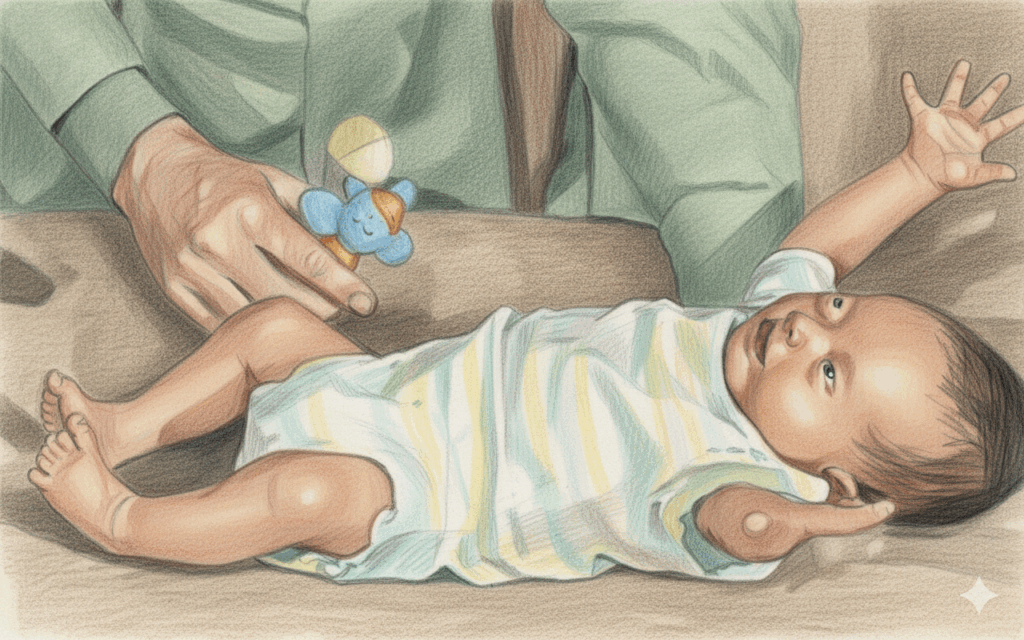
The Moro Reflex: The Core Disruptor of Gut–Brain–Body Integration

The Moro Reflex, distinct from the simpler Startle Reflex, is a higher-order primitive reflex that appears at birth and is typically integrated by 4–6 months of age. It is triggered by a sudden loss of support—as if the infant is falling—and results in a global motor response: the arms and legs shoot outward, hands open

error: Content is protected !!
Scroll to Top