
Mixed Responses

Mixed Responses – Mixed PANS-SANS Patterns – best for Yin/Yang Disharmony

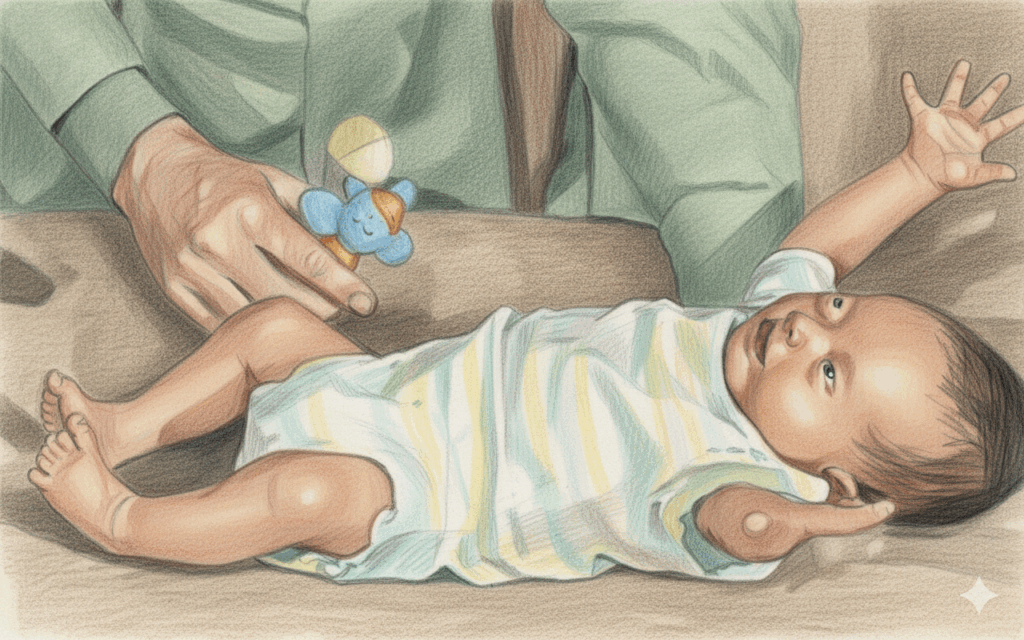
The Moro Reflex: The Core Disruptor of Gut–Brain–Body Integration

The Moro Reflex, distinct from the simpler Startle Reflex, is a higher-order primitive reflex that appears at birth and is typically integrated by 4–6 months of age. It is triggered by a sudden loss of support—as if the infant is falling—and results in a global motor response: the arms and legs shoot outward, hands open

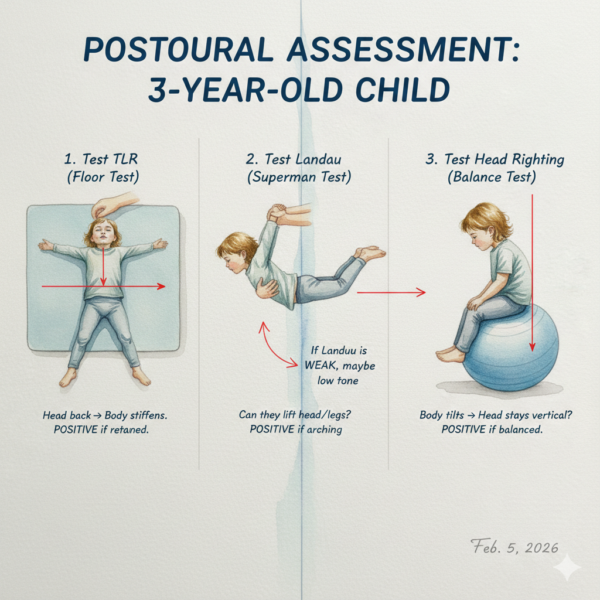
Tonic Labyrinthine Reflex (TLR): Foundational Flexion–Extension Drive and Gravitational Orientation

© 2025 J. Moffitt. Registered U.S. Copyright Office. Polyvagal Acupuncture®. First Published on Down the Polyvagal Rabbit Hole, March 2024 https://polyvagalacupuncture.blogspot.com/2024/03/tonic-labyrinthine-reflex-tlr.html Author:  Dr. Jennifer Moffitt The Tonic Labyrinthine Reflex (TLR) is one of the earliest reflexes to appear in human development, emerging in utero and typically integrating by 4–6 months of age, though postural traces often persist

The Unintegrated Body: Autonomic Dysregulation and Subclinical Adrenal Dysfunction

© 2025 J. Moffitt. Registered U.S. Copyright Office. Polyvagal Acupuncture®. This model proposes an integrated framework for understanding the pathomechanisms of subclinical adrenal dysfunction, connecting deep physiological drivers to downstream clinical expressions. It serves as a working theory for practitioners who observe localized, non-systemic patterns of circadian dysrhythmia and persistent sympathetic dominance in their clients.

zen monk

Dysautonomia Patterns for TCM (1): Intro to Autonomic Dysregulation

© 2025 J. Moffitt. Registered U.S. Copyright Office. Polyvagal Acupuncture®. Autonomic dysregulation, often referred to as dysautonomia, reflects an imbalance within the autonomic nervous system (ANS) that disrupts its ability to fluidly transition between activation (defense) and rest (return to homeostasis). This imbalance manifests with a range of clinical symptoms, including heightened vigilance, muscular tension,

Dysautonomia Patterns for TCM: The Fire Water Dynamic (2)

© 2025 J. Moffitt. Registered U.S. Copyright Office. Polyvagal Acupuncture® The fight-flight (FF) response is a short-term survival mechanism mediated by the adrenal glands and regulated by the hypothalamic-pituitary-adrenal (HPA) axis. This endocrine cascade bypasses neural pathways, such as the vagus nerve, to prioritize immediate survival. In TCM, this dynamic is represented by the relationship

gemini generated image cqtifocqtifocqti

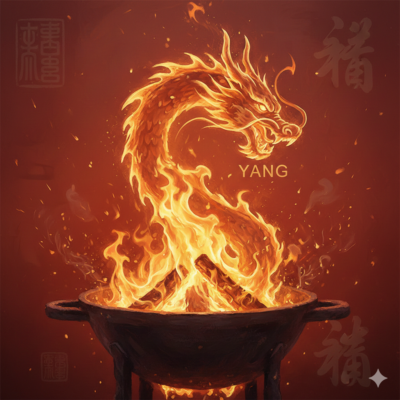
Dysautonomia Patterns for TCM: Yang Dysregulation Patterns (3)

Yang-Type Sympathetic Dominance and Adrenal Fatigue The ANS can become dysregulated in various ways, with two primary Yang-type subtypes: Yang-Type Sympathetic Dominance  Adrenal Fatigue. Both represent different stages of yang overactivation within the sympathetic system, but their effects and characteristics differ. Understanding these two subtypes provides insight into how prolonged sympathetic activation influences physical and

gemini generated image 5e74m05e74m05e74

Dysautonomia Patterns for TCM:  Yin (Dorsal) Vagus and Mixed Patterns (4)

© 2025 J. Moffitt. Registered U.S. Copyright Office. Polyvagal Acupuncture®.  Parasympathetic Dominance: The Dorsal Vagal Freeze Response: The dorsal vagal freeze response is an extreme parasympathetic state in which the body enters a shutdown mode in response to overwhelming stress. Unlike typical parasympathetic activation, which restores balance, the freeze state represents pathological yin—a state of hypoactivity

error: Content is protected !!
Scroll to Top