Polyvagal Acupuncture

Proprietary Posts for Students

reflex freeze response

The Freeze Responses: Startle and FPR Intro

Restoring the Precursors to Autonomic Balance The practitioner’s role is to facilitate the restoration of autonomic balance and remove neurological interference caused by a nervous system in a high state of arousal.  Once parasympathetic tone is restored, the necessary precursors for neuroplasticity are in place. What is beautiful is that as TCM and somatic therapists

Primitive Reflexes in Clinical Practice: Autonomic Dysregulation, Fascial Bracing, and Developmental Retention

© 2025 J. Moffitt. Registered U.S. Copyright Office. Polyvagal Acupuncture® Primitive reflexes (PRs) are involuntary motor responses that establish foundational postural tone, orientation, and motor-sensory coordination during early development. These reflexes should integrate as higher cortical control matures. When they remain active—or reactivate in the context of trauma, emotional stress, neuroinflammation, or structural compromise—they produce

The Fear Paralysis Reflex (FPR): The Primordial Freeze Response

© 2025 J. Moffitt. Registered U.S. Copyright Office. Polyvagal Acupuncture® The Fear Paralysis Reflex (FPR) is the earliest-appearing defensive reflex in fetal development, emerging as early as 5–8 weeks of gestation. It precedes all motoric fight-or-flight responses and represents the organism’s first organized reaction to threat: tonic immobility. This freeze state is characterized by stillness, bradycardia, breath-holding, and

The Moro Reflex: The Core Disruptor of Gut–Brain–Body Integration

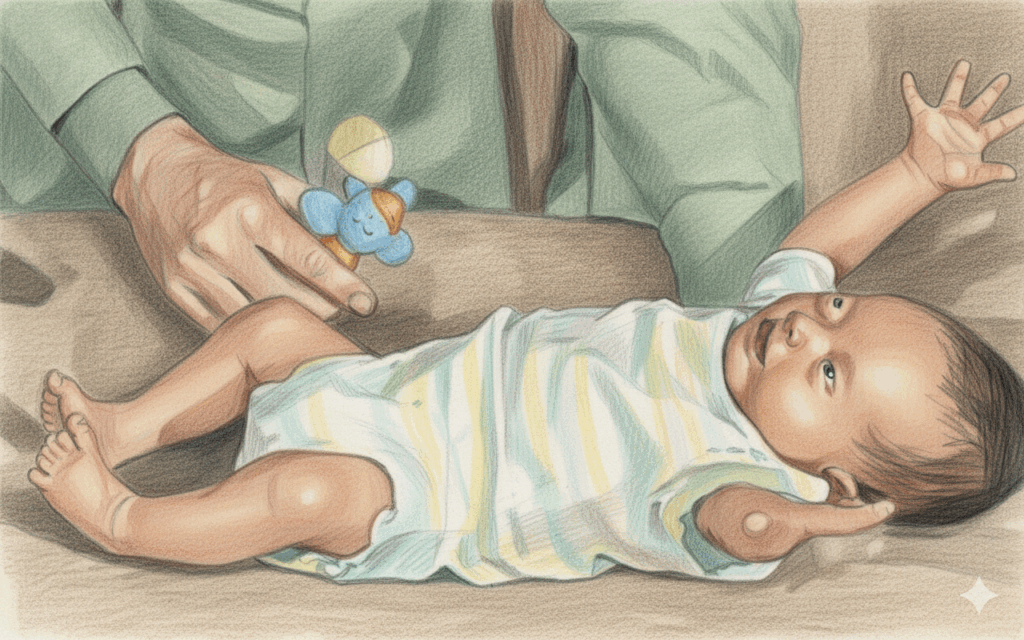
The Moro Reflex, distinct from the simpler Startle Reflex, is a higher-order primitive reflex that appears at birth and is typically integrated by 4–6 months of age. It is triggered by a sudden loss of support—as if the infant is falling—and results in a global motor response: the arms and legs shoot outward, hands open

Freeze-Based Reflexes: The Missing Foundation in Primitive Reflex Work

© 2025 J. Moffitt. Registered U.S. Copyright Office. Polyvagal Acupuncture®. Most primitive reflex training programs, particularly those focused on pediatrics, emphasize postural and motor pattern reflexes such as ATNR, STNR, and TLR. Yet many of my early classes omitted the most foundational layer of the reflex hierarchy: the freeze responses. Startle, Fear Paralysis Reflex (FPR), and Core Tendon Guard

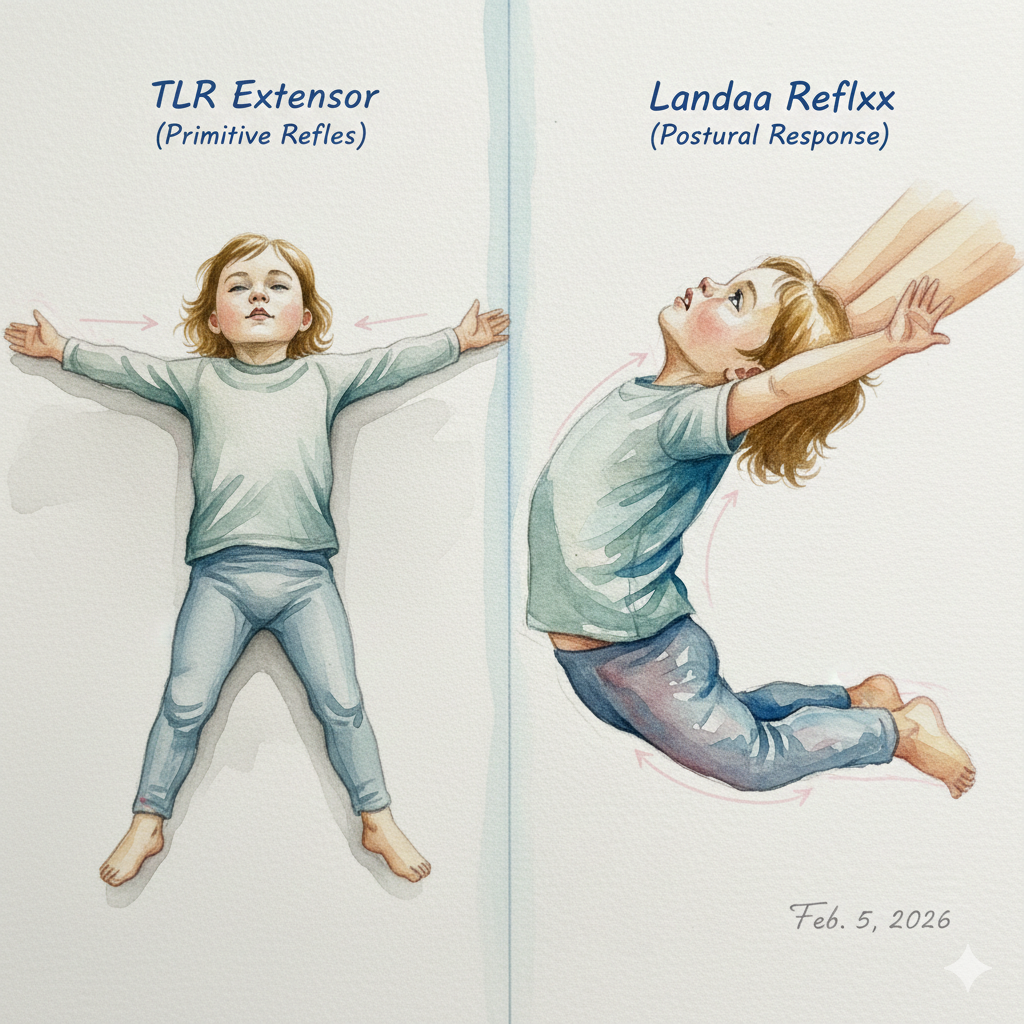
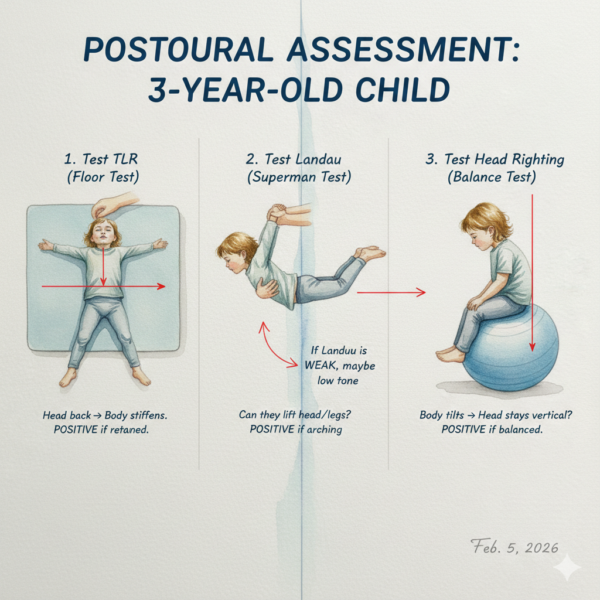
Tonic Labyrinthine Reflex (TLR): Foundational Flexion–Extension Drive and Gravitational Orientation

© 2025 J. Moffitt. Registered U.S. Copyright Office. Polyvagal Acupuncture®. First Published on Down the Polyvagal Rabbit Hole, March 2024 https://polyvagalacupuncture.blogspot.com/2024/03/tonic-labyrinthine-reflex-tlr.html Author:  Dr. Jennifer Moffitt The Tonic Labyrinthine Reflex (TLR) is one of the earliest reflexes to appear in human development, emerging in utero and typically integrating by 4–6 months of age, though postural traces often persist

zen monk

Dysautonomia Patterns for TCM (1): Intro to Autonomic Dysregulation

© 2025 J. Moffitt. Registered U.S. Copyright Office. Polyvagal Acupuncture®. Autonomic dysregulation, often referred to as dysautonomia, reflects an imbalance within the autonomic nervous system (ANS) that disrupts its ability to fluidly transition between activation (defense) and rest (return to homeostasis). This imbalance manifests with a range of clinical symptoms, including heightened vigilance, muscular tension,

error: Content is protected !!
Scroll to Top