
Myofascial Theory-Sinew channels – Osteopathy

gemini generated image w0fbs5w0fbs5w0fb

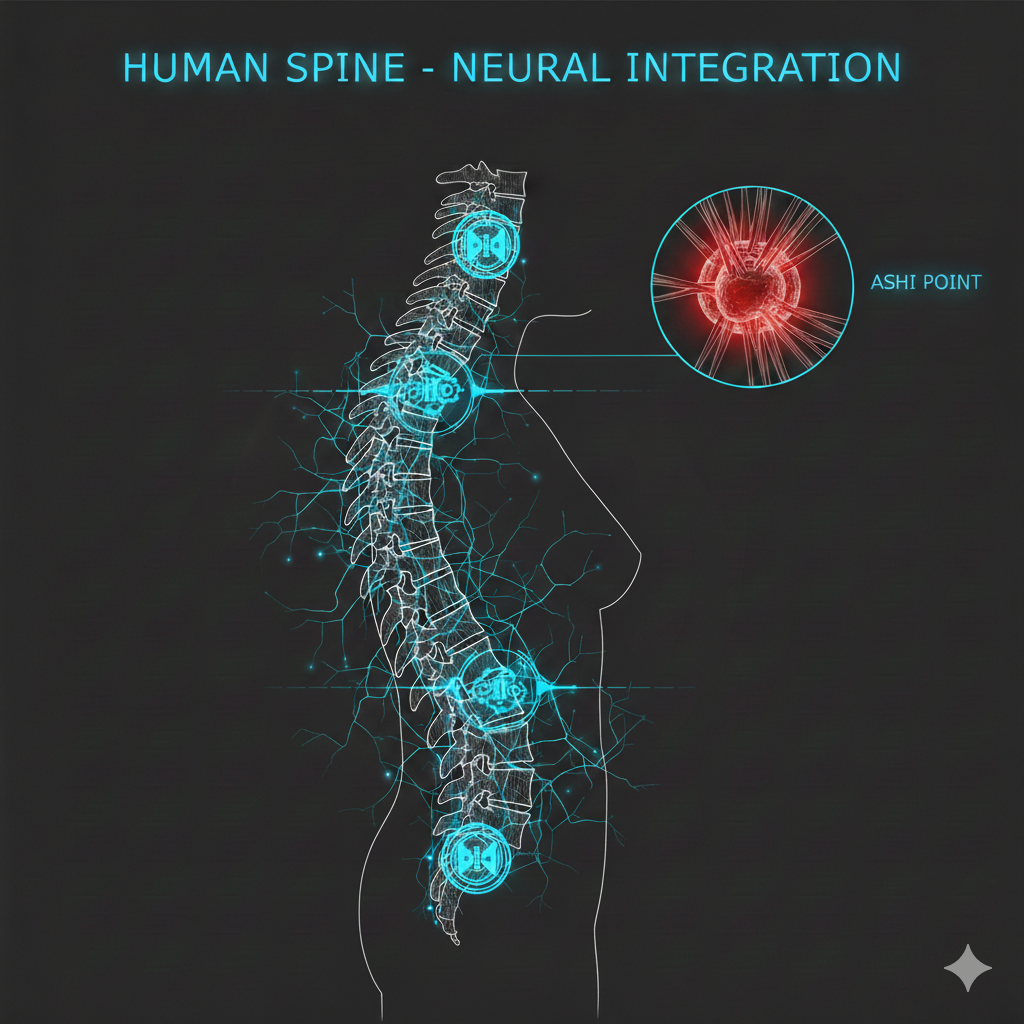
The Neuro-Somatic Synthesis of Ashi Points and Biomechanical Hinge Zones

© 2026 J. Moffitt. Registered U.S. Copyright Office. Polyvagal Acupuncture®. Etymology, Historical Context, and Core Characteristics Ashi points (阿是穴, ā shì xué) are non-fixed, temporary acupuncture points characterized by localized tenderness or sensitivity upon pressure (Deadman et al., 2007; Sun, 652 CE). Unlike the 361 classical points located along established meridians, most Ashi points lack

gemini generated image gdmlh9gdmlh9gdml

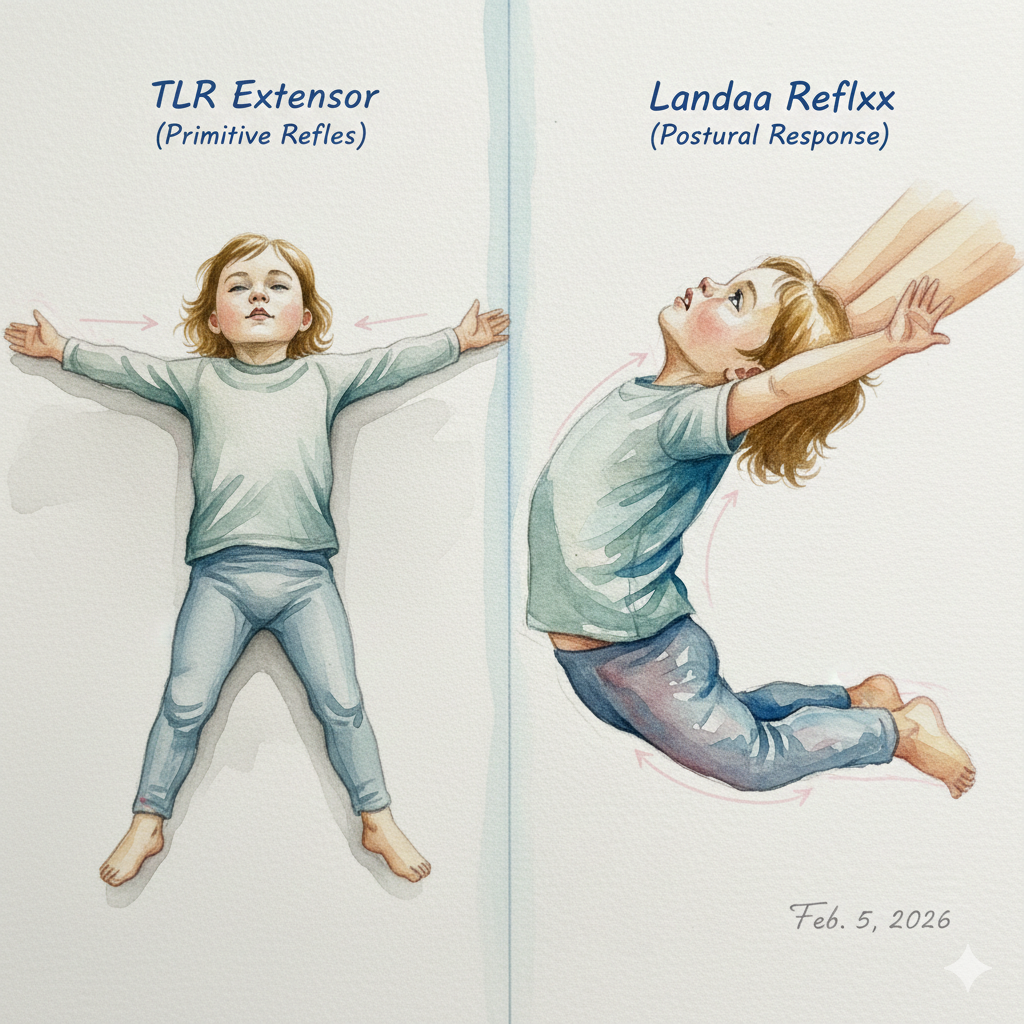
The Neurological Architecture of Parenthood: Trauma, Reflexes and Autonomic Inheritance

A Clinical Framework for Polyvagal Acupuncture® (PVA) and Polyvagal Massage ™ Introduction: Defining the Architecture of Trauma Trauma is an internal physiological state that overwhelms the system. When a stressor exceeds the buffering capacity of the Autonomic Nervous System (ANS), the brain bypasses verbal processing and hard-codes survival responses into motor reflexes and connective tissues.

Primitive Reflexes in Clinical Practice: Autonomic Dysregulation, Fascial Bracing, and Developmental Retention

© 2025 J. Moffitt. Registered U.S. Copyright Office. Polyvagal Acupuncture® Primitive reflexes (PRs) are involuntary motor responses that establish foundational postural tone, orientation, and motor-sensory coordination during early development. These reflexes should integrate as higher cortical control matures. When they remain active—or reactivate in the context of trauma, emotional stress, neuroinflammation, or structural compromise—they produce

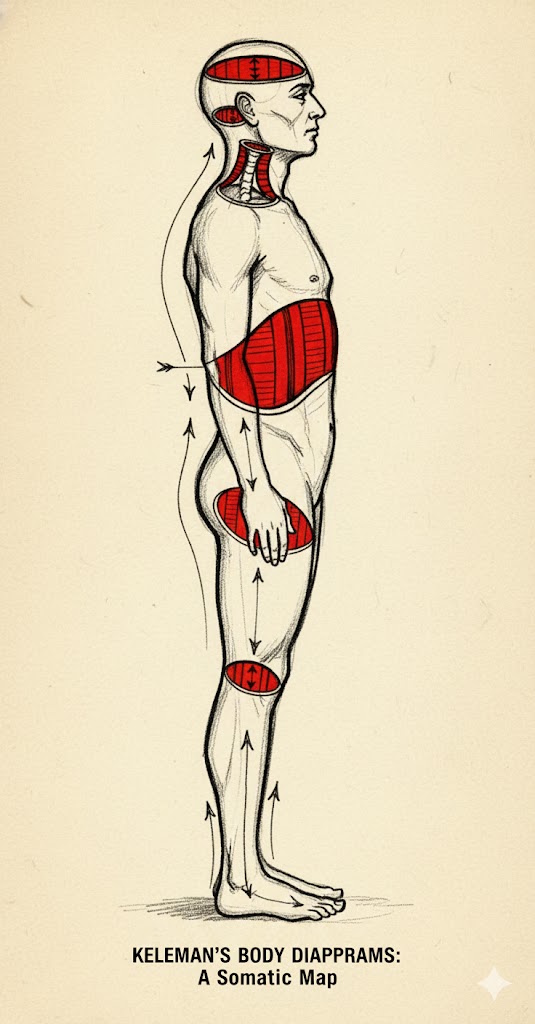
Freeze-Based Reflexes: The Missing Foundation in Primitive Reflex Work

© 2025 J. Moffitt. Registered U.S. Copyright Office. Polyvagal Acupuncture®. Most primitive reflex training programs, particularly those focused on pediatrics, emphasize postural and motor pattern reflexes such as ATNR, STNR, and TLR. Yet many of my early classes omitted the most foundational layer of the reflex hierarchy: the freeze responses. Startle, Fear Paralysis Reflex (FPR), and Core Tendon Guard

Dysautonomia Patterns for TCM: The Fire Water Dynamic (2)

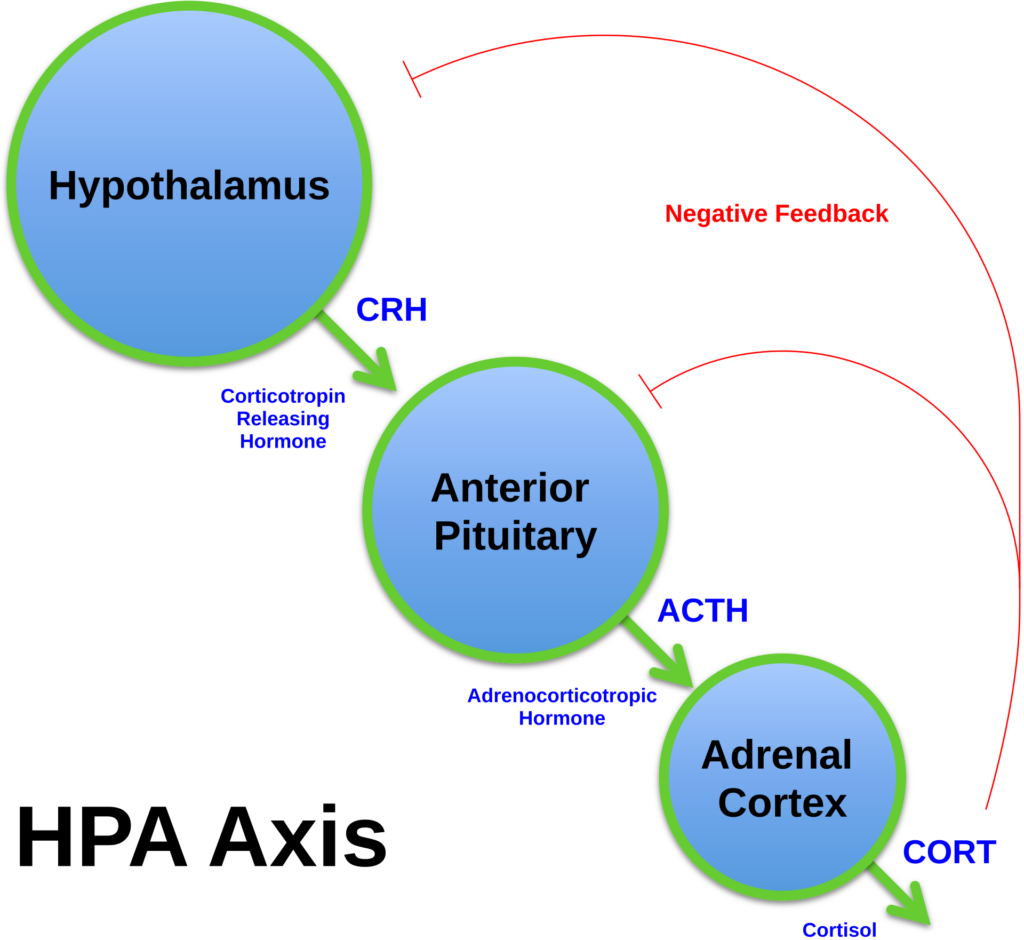
© 2025 J. Moffitt. Registered U.S. Copyright Office. Polyvagal Acupuncture® The fight-flight (FF) response is a short-term survival mechanism mediated by the adrenal glands and regulated by the hypothalamic-pituitary-adrenal (HPA) axis. This endocrine cascade bypasses neural pathways, such as the vagus nerve, to prioritize immediate survival. In TCM, this dynamic is represented by the relationship

gemini generated image cqtifocqtifocqti

Dysautonomia Patterns for TCM: Yang Dysregulation Patterns (3)

Yang-Type Sympathetic Dominance and Adrenal Fatigue The ANS can become dysregulated in various ways, with two primary Yang-type subtypes: Yang-Type Sympathetic Dominance  Adrenal Fatigue. Both represent different stages of yang overactivation within the sympathetic system, but their effects and characteristics differ. Understanding these two subtypes provides insight into how prolonged sympathetic activation influences physical and

hpa axis diagram (brian m sweis 2012).svg

Primitive Reflexes: The HPA Axis and the Eight Extraordinary Vessels

Primitive reflexes form the foundation of the human nervous system, acting as building blocks for complex motor and cognitive functions. These automatic, involuntary movements present at birth gradually integrate as the child matures. Controlled by cranial nerves in the brainstem, these reflexes establish a balance between the parasympathetic and sympathetic nervous systems, supporting motor movement,

error: Content is protected !!
Scroll to Top