
TCM Integrative Neurology

gemini generated image cqtifocqtifocqti

Dysautonomia Patterns for TCM: Yang Dysregulation Patterns (3)

Yang-Type Sympathetic Dominance and Adrenal Fatigue The ANS can become dysregulated in various ways, with two primary Yang-type subtypes: Yang-Type Sympathetic Dominance  Adrenal Fatigue. Both represent different stages of yang overactivation within the sympathetic system, but their effects and characteristics differ. Understanding these two subtypes provides insight into how prolonged sympathetic activation influences physical and Read More


gemini generated image 5e74m05e74m05e74

Dysautonomia Patterns for TCM:  Yin (Dorsal) Vagus and Mixed Patterns (4)

© 2025 J. Moffitt. Registered U.S. Copyright Office. Polyvagal Acupuncture®.  Parasympathetic Dominance: The Dorsal Vagal Freeze Response: The dorsal vagal freeze response is an extreme parasympathetic state in which the body enters a shutdown mode in response to overwhelming stress. Unlike typical parasympathetic activation, which restores balance, the freeze state represents pathological yin—a state of hypoactivity

gemini generated image juz2vwjuz2vwjuz2 trauma nurse

Integrative Neurology: Redefining Trauma for TCM

© 2025 J. Moffitt. Registered U.S. Copyright Office. Polyvagal Acupuncture® Trauma refers to an overwhelming experience that exceeds the parasympathetic buffering capacity of the autonomic nervous system (ANS). It can arise from physical injuries such as traumatic brain injuries (TBI), natural disasters, or a life-altering medical diagnosis. Trauma also includes emotional experiences such as death, divorce,

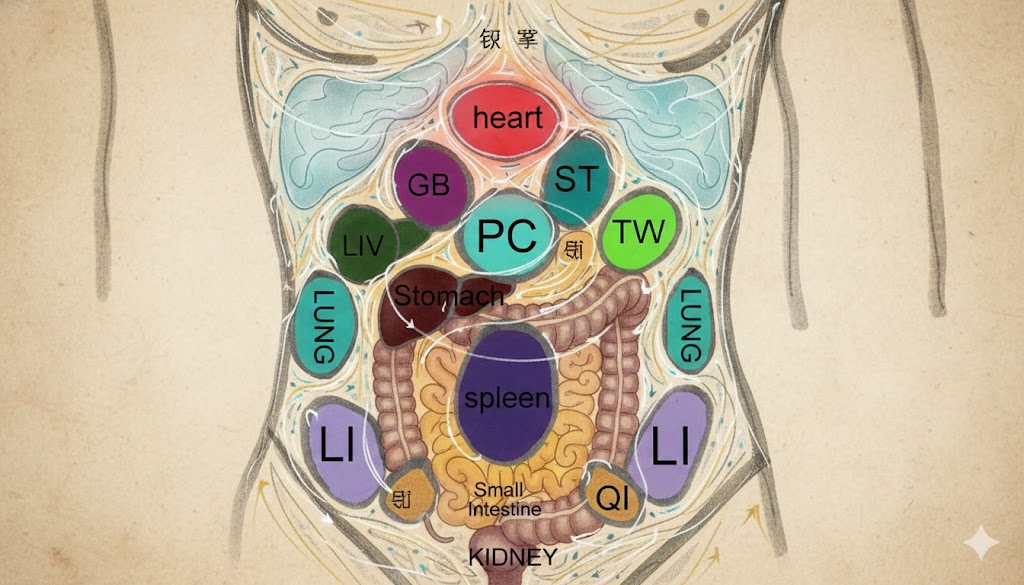
hara ai

Integrative TCM: The Neurological Basis of Hara Diagnosis

In Traditional Chinese Medicine (TCM), hara diagnosis, or abdominal palpation, is used to assess the health of the internal organs (zang-fu). The hara, located in the abdominal region, is considered the body’s physical and energetic center. By palpating this area, practitioners can identify patterns of firmness, sensitivity, or tension, which indicate imbalances in the organs

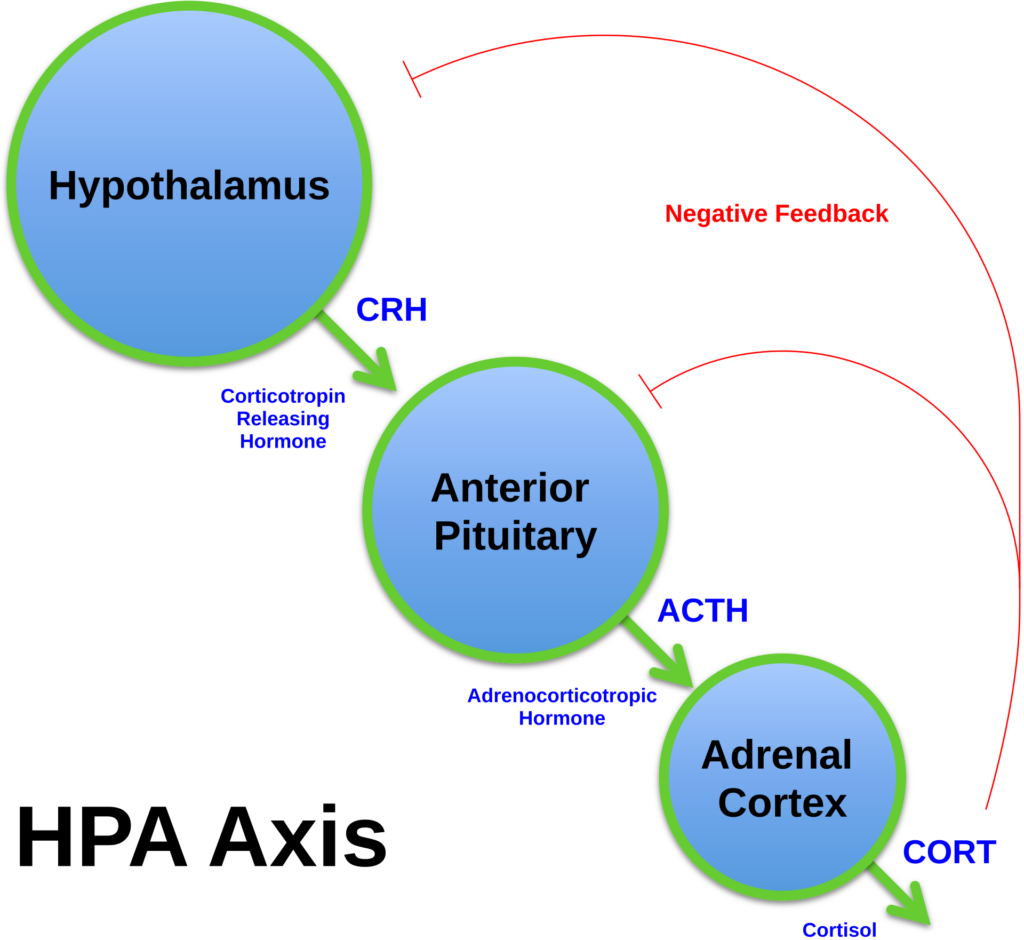
hpa axis diagram (brian m sweis 2012).svg

Primitive Reflexes: The HPA Axis and the Eight Extraordinary Vessels

Primitive reflexes form the foundation of the human nervous system, acting as building blocks for complex motor and cognitive functions. These automatic, involuntary movements present at birth gradually integrate as the child matures. Controlled by cranial nerves in the brainstem, these reflexes establish a balance between the parasympathetic and sympathetic nervous systems, supporting motor movement,

Primitive Reflexes and Their Role in Nervous System Development

© 2025 J. Moffitt. Registered U.S. Copyright Office. Polyvagal Acupuncture®. Primitive reflexes (PRs) are foundational components of the human nervous system, and serve as essential building blocks for complex motor and cognitive functions. These automatic, involuntary movements are present at birth and were thought to integrate as the child matures, usually by the age of

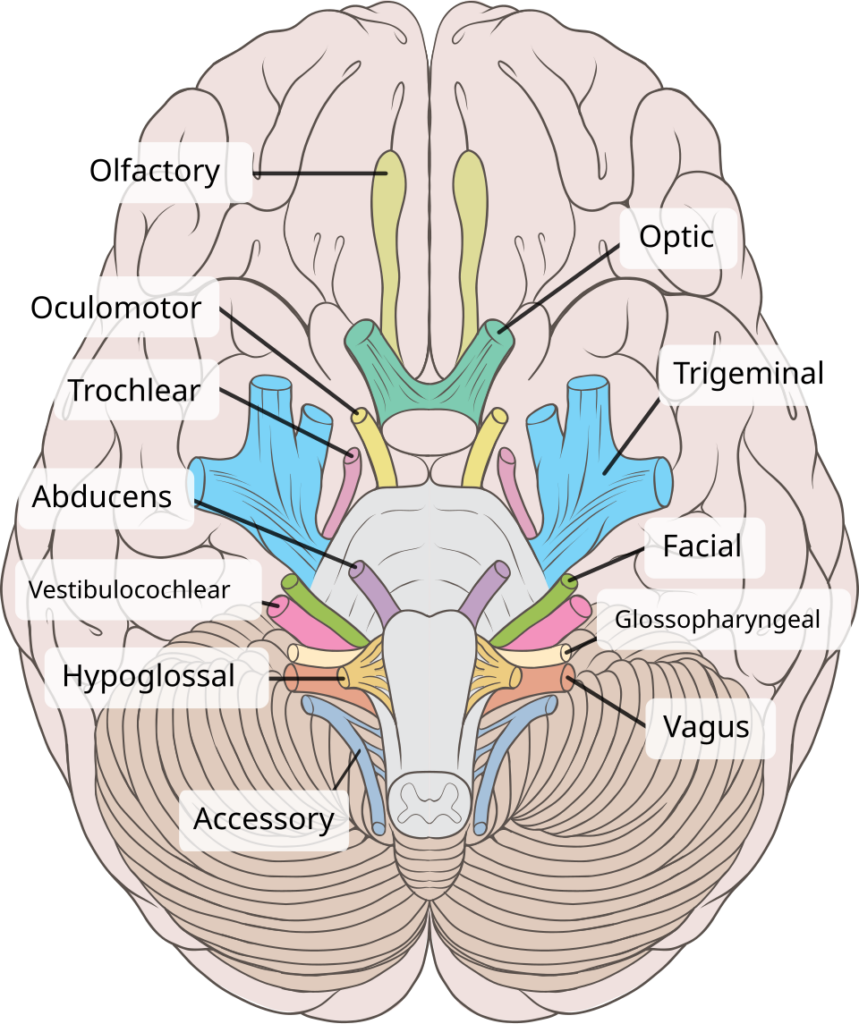
brain human normal inferior view with labels en 2.svg

Cranial Nerves and Their Influence on Development

The cranial nerves are the primary neural pathways that emerge directly from the brain, playing essential roles in sensory perception, motor control, and autonomic regulation. There are twelve pairs of cranial nerves, each responsible for specific functions, ranging from the senses of smell, vision, and hearing to the control of muscles in the face, eyes,

error: Content is protected !!
Scroll to Top