
Plexuses Related to the Autonomic Nervous System and Their TCM Correlates

Understanding the Nerve Plexus: The Body’s Communication Hubs
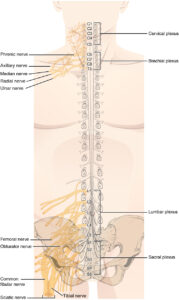
1321 spinal nerve plexusesIn Western anatomy, a nerve plexus is a complex, branching network of intersecting nerves. Think of it as a “junction box” or a high-speed data hub where multiple nerve fibers from different spinal levels come together, reorganize, and then travel out to specific organs and muscles. These networks are responsible for both sensory functions (feeling heat, pain, or pressure) and motor functions (controlling muscle movement and organ regulation).

While Western medicine views these as biological wiring, Traditional Chinese Medicine (TCM) sees them as vital intersections where Qi (energy) and Xue (blood) converge.

Why the Nerve Plexus Matters in TCM

The locations of major nerve plexuses often correlate directly with key Acupuncture points and Meridian pathways. In TCM theory, these plexuses can be viewed as the physical manifestation of “Gates” or “Nodes”:

  • The Celiac (Solar) Plexus and the Middle Jiao: In the abdomen, the Celiac plexus mirrors the function of the Spleen and Stomach systems, governing digestion and the transformation of Qi.

  • The Sacral Plexus and the Lower Jiao: The nerves governing the pelvic floor and lower limbs align with the Kidney and Bladder channels, which are the root of the body’s Jing (Essence).

  • Aura and Protection: Just as the nervous system reacts to external stimuli (heat/cold), TCM views the smooth flow of Qi through these nerve intersections as the foundation of Wei Qi (Defensive Energy), which protects the body from external pathogens.

By understanding the relationship between spinal levels and these nerve hubs, we can see how physical alignment of the spine directly influences the energetic health of the internal organs.

 Plexuses Related to the Autonomic Nervous System:

  1. Cervical Plexus (C1-C4):

    • Governs: Neck, diaphragm, head movement.
    • Subdivisions:
      • Phrenic Nerve: Governs diaphragm, helping with respiration.
    • Influences: Lungs, breathing.
  2. Brachial Plexus (C5-T1):

    • Governs: Shoulders, arms, hands.
    • Influences: Indirectly impacts cardiovascular function via the autonomic inputs, helping regulate upper limb movement and circulation.
  3. Thoracic Autonomic Plexus (T1-T5):

    • Pulmonary Plexus: Regulates lung function, bronchial constriction/dilation.
    • Cardiac Plexus: Regulates heart rate, rhythm, contraction strength.
    • Esophageal Plexus: Helps in swallowing and connects to the esophagus.
  4. Celiac Plexus (Solar Plexus) (T5-T9):

    • Hepatic Plexus: Governs liver function.
    • Gastric Plexus: Regulates stomach function and digestion.
  5. Superior Mesenteric Plexus (T9-T12):

    • Governs: Small intestines and digestive function.
  6. Inferior Mesenteric Plexus (L1-L3):

    • Governs: Large intestines, helping regulate colon and rectal functions.
  7. Aortic Plexus (T12-L2):

    • Governs: Abdominal organs, particularly along the aorta.
  8. Superior Hypogastric Plexus (L1-L2):

    • Governs: Bladder, kidneys, reproductive organs.
  9. Inferior Hypogastric Plexus (S1-S4):

    • Governs: Bowel movements, bladder function, sexual activity.
  10. Renal Plexus (T10-L1):

    • Governs: Kidneys and adrenal glands, playing a role in fluid balance and stress response.
  11. Pelvic Plexus (S1-S4):

    • Governs: Reproductive organs, bowel function, bladder control.

Plexuses in the Head and Neck:

  1. Ciliary Ganglion:

    • Governs: Eye accommodation, pupil response.
    • TCM: Associated with GB (Gallbladder) Channel.
  2. Superior Cervical Ganglion:

    • Governs: Head, eyes, and brain function.
    • TCM: Tied to Liver and Gallbladder Channels.
  3. Pharyngeal Plexus:

    • Governs: Throat, associated with swallowing and voice.
    • TCM: Ren Mai (Conception Vessel) and other associated channels.

Other Major Autonomic Plexuses in the Body:

  • Lumbar Plexus (T12-L4): Governs lower back, thighs, legs.
  • Sacral Plexus (L4-S4): Governs pelvic organs, genitals, and lower limbs.
  • Coccygeal Plexus (S4-S5): Governs skin around the coccyx, contributing to bowel function.
VertebraeAreas ServedPotential Effects of Interference
C1 (Atlas)Blood supply to head, pituitary gland, scalp, brain, inner ear, sympathetic nervous system.Headaches, nervousness, insomnia, high blood pressure, migraines, chronic tiredness.
C2 (Axis)Eyes, optic nerves, auditory nerves, sinuses, tongue, forehead.Sinus trouble, allergies, earache, fainting spells, certain eye troubles.
C3Cheeks, outer ear, face bones, teeth, facial nerve.Neuralgia, neuritis, acne or pimples, eczema.
C4Nose, lips, mouth, eustachian tube.Hay fever, runny nose, hearing loss, adenoids.
C5Vocal cords, neck glands, pharynx.Laryngitis, hoarseness, throat conditions (sore throat).
C6Neck muscles, shoulders, tonsils.Stiff neck, pain in upper arm, tonsillitis, chronic cough.
C7Thyroid gland, bursae in shoulders, elbows.Bursitis, colds, thyroid conditions.
T1Arms (elbows down), hands, wrists, fingers, esophagus, trachea.Asthma, cough, difficult breathing, numbness in arms/hands.
T2 – T5Heart (valves/coronary), lungs, bronchial tubes, chest, breast.Chest conditions, functional heart conditions, bronchitis, pneumonia.
T6 – T10Stomach, pancreas, gallbladder, liver, spleen, kidneys.Stomach troubles, indigestion, ulcers, allergies, gallstones.
T11 – T12Kidneys, ureters, small intestines, lymph circulation.Skin conditions (acne), eczema, rheumatism, gas pains.
L1 – L2Large intestines, inguinal rings, appendix, abdomen.Constipation, colitis, diarrhea, some ruptures or hernias.
L3Reproductive organs, uterus, bladder, knees.Bladder troubles, menstrual problems, bed wetting, knee pain.
L4 – L5Prostate gland, muscles of lower back, sciatic nerve, lower legs, ankles, feet.Sciatica, lumbago, difficult or frequent urination, cold feet, leg cramps.
SacrumHip bones, buttocks.Sacroiliac conditions, spinal curvatures.
CoccyxRectum, anus.Hemorrhoids (piles), pruritus (itching), pain at end of spine on sitting.

References:  “Spinal Nerve Plexuses” by OpenStax College is licensed under CC BY 4.0. Original image via Wikimedia Commons.

error: Content is protected !!
Scroll to Top